REVIEW · MYKONOS
Discover Scuba Diving Adventure in Mykonos
Book on Viator →Operated by Mykonos Diving Center · Bookable on Viator
A first step underwater, done carefully.
This PADI Discover Scuba experience is built for first-timers who want the real feeling of scuba without jumping straight into full certification. I like the small instructor groups (max four per instructor) and the very structured, safety-focused intro that follows PADI steps.
The optional setup is also smart: you go from a beach-based start at Paradise Beach to the center, then into the water with the local team. One drawback to plan for: the water world here is a Mediterranean rocky reef, so you should not expect coral-showpiece visuals.
In This Review
- Key Things to Know Up Front
- Paradise Beach Meet-Up: What the 2.5 Hours Really Feels Like
- Small-Group PADI Discover Structure (No Certification, Real Skills)
- Instruction First: Safety Briefing That You Actually Follow
- Gear Up and Get Comfortable on the Water
- First Underwater Session on the Home Reef: What You’ll Really See
- Optional Extra Boat Underwater Session (Only After You Pass the First One)
- Price and Value in Mykonos: Is $238.94 Worth It?
- Who This Experience Fits Best (And Who Should Think Twice)
- When Weather Changes the Plan: Keep Your Schedule Flexible
- Should You Book This Discover Scuba Experience?
- FAQ
- Is this a scuba certification course?
- How old do you need to be to participate?
- What’s included in the price?
- Do I need any prior scuba experience?
- How many people will be in the group?
- What happens if weather is bad?
Key Things to Know Up Front
- Max 4 people per instructor means you get real attention, not just a hand-wave in the water.
- Over an hour of instruction (including a video) helps you understand safety and skills before you go under.
- Home reef start from the beach keeps things simple and usually avoids long logistics.
- Optional extra boat underwater session is only after you complete the first part, with a stated max depth of 12 meters.
- Health questionnaire required, and medical conditions like asthma or heart issues may prevent participation.
- Expect weather dependence and bring a backup mindset if conditions don’t cooperate.
Paradise Beach Meet-Up: What the 2.5 Hours Really Feels Like
Your day centers on Paradise Beach, with the activity meeting back at the same spot. The whole program is about 2 hours 30 minutes, give or take, and you’ll usually appreciate that tight timing in Mykonos, where schedules can get messy.
You’re not just showing up to gear up and hop in. The flow is designed to get you calm, organized, and ready. The instruction part happens first at the scuba center area on site, then you’ll move through gear setup and water familiarization before you reach the underwater area.
Also worth knowing: there are multiple departure times, so you can usually match your scuba try to your hotel rhythm rather than the other way around.
You can also read our reviews of more scuba diving tours in Mykonos
Small-Group PADI Discover Structure (No Certification, Real Skills)
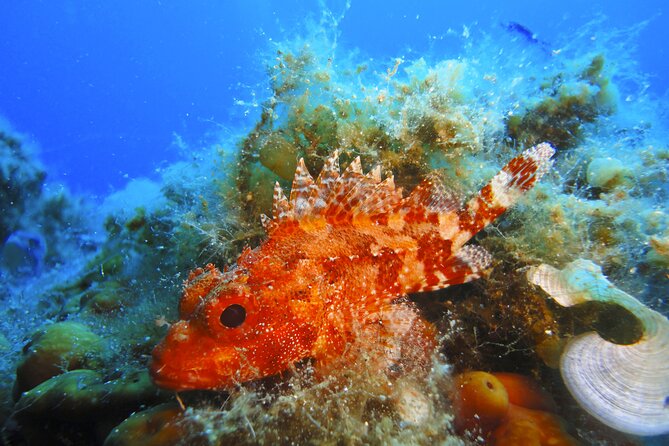
This is not a certification course. It’s a PADI Discover Scuba experience, which means you’re learning the steps and habits that make scuba possible, but you’re not being pushed into full coursework.
Here’s what that difference means for you:
- You’ll get the basics of scuba safety and control.
- You’ll learn what it takes to breathe underwater and move with intention.
- You’ll practice what you need for a first, safe underwater experience.
There’s also a clear boundary that keeps expectations honest: you must be at least 10 years old. No prior scuba experience is required, but you do need to be in reasonable physical health.
One practical upside I really like: the instruction ratio. With a maximum of four people per instructor, the guide can slow down for nerves, adjust technique, and explain things in plain language. In the feedback I saw, names like Juan, Annie, and Edouard came up in the context of patience, staying calm, and teaching skills clearly.
If you’re the type who gets tense when you think about breathing underwater, that small-group setup is exactly what you want.
Instruction First: Safety Briefing That You Actually Follow
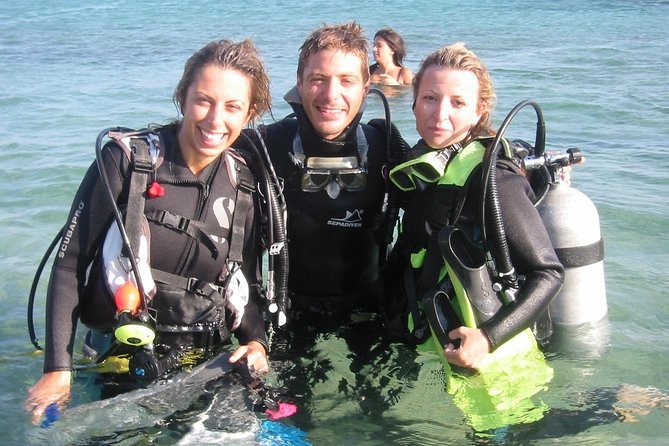
The best part of this experience is that it treats safety as the main event, not the annoying preface.
Before you ever enter the water, you should expect:
- A detailed safety rundown, including a video
- An explanation of the skills you’ll practice
- A check-in on what’s going to happen next, step by step
- A briefing on local marine life you might see on the home reef
Several people specifically highlighted the staff being patient and understanding, and that aligns with the program structure: the team has time to work at your pace instead of rushing through a checklist.
I also like that you’re not expected to instantly become a perfect underwater athlete. The program includes water familiarization so you can learn how the equipment feels, how your body reacts, and how to focus your breathing.
One consideration: even with patient coaching, you’ll still need practice. If you’re expecting it to feel effortless on day one, you may be surprised—first-time scuba control is a skill, not a personality trait.
Gear Up and Get Comfortable on the Water
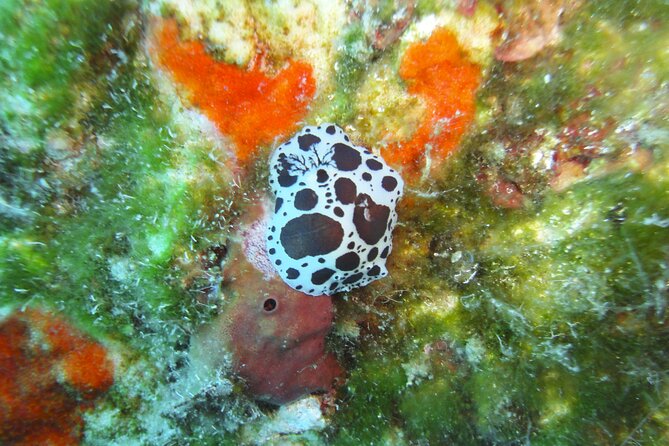
Once you’re kitted up, you’ll do the usual sequence: gear familiarization, then a walk/wade from the meeting area toward the water.
A few details matter here:
- You’ll be handling heavy equipment, and you may walk with it along a public beach surface.
- That can be uncomfortable, especially if small rocks or debris get into flippers or between gear parts.
- Expect a learning curve: getting your timing right with mask, regulator, buoyancy control, and fin movement is part of the experience.
This is where first-timers can benefit most from choosing a calm guide. In the feedback, instructors were praised for slowing down for beginners and helping people manage excitement and instincts—basically, turning adrenaline into controlled movement.
If you want to make the gear part easier on yourself, plan to wear the swimwear you can stand in for a while and keep your mindset flexible. You’re not just buying a scenic underwater moment; you’re learning a system.
First Underwater Session on the Home Reef: What You’ll Really See
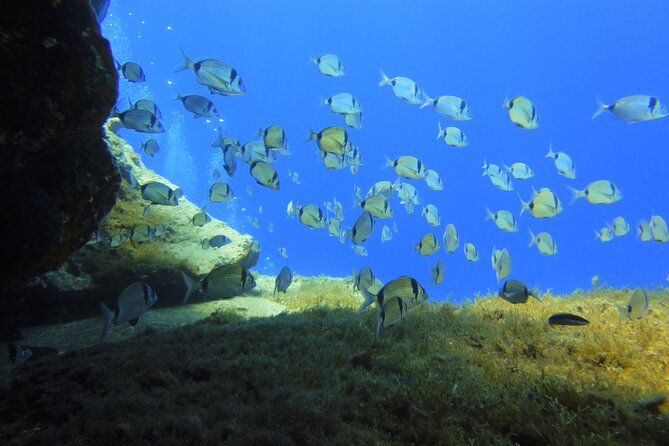
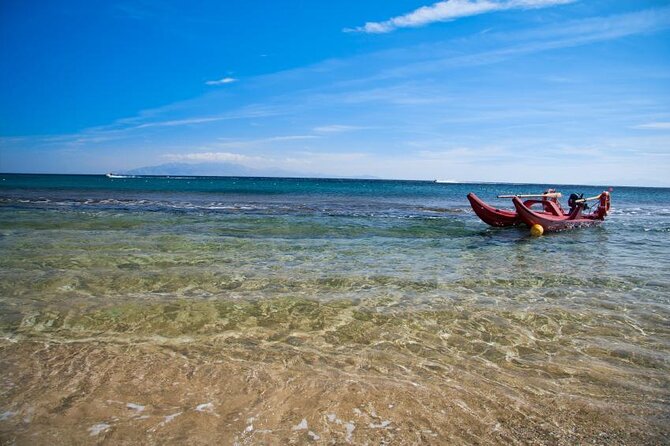
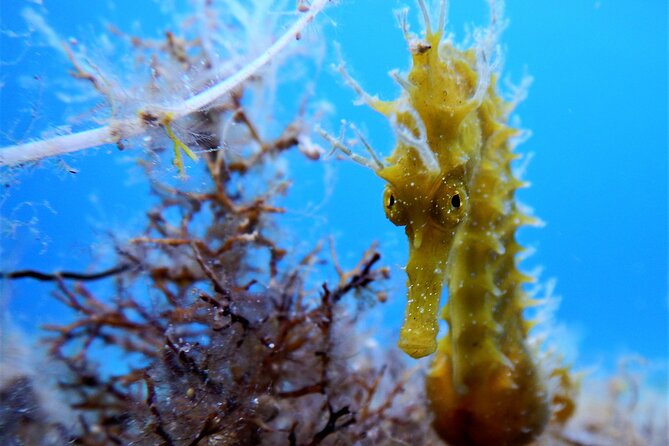
The underwater portion happens on a local home reef near the beach. The big truth to keep your expectations straight: this is not coral country. The Mediterranean and Aegean Sea don’t have coral reefs the way tropical locations do, so marine life here looks different.
What does that mean for you on the underwater session?
- You’re likely to see fish and interesting life on a rocky reef setting.
- Visibility can be clear, which helps your experience feel smooth.
- You might not get the same dramatic, colorful spectacle you’d see in coral-heavy regions.
That said, the home reef is chosen for a reason: it’s close to shore, suitable for first-time scuba participants, and known for marine variety appropriate for this environment.
Also, the program includes a practical air/time target. The underwater portion can last about 45–60 minutes, or until you reach 50 bars of air in your cylinder, whichever comes first. Translation: the team is watching your air supply closely, which supports safety and gives you a predictable experience.
If you’re someone who needs constant action and big visual payoff every second, you might be disappointed. If you’re curious and enjoy the calm focus of learning control, you’ll likely feel more satisfied.





Optional Extra Boat Underwater Session (Only After You Pass the First One)
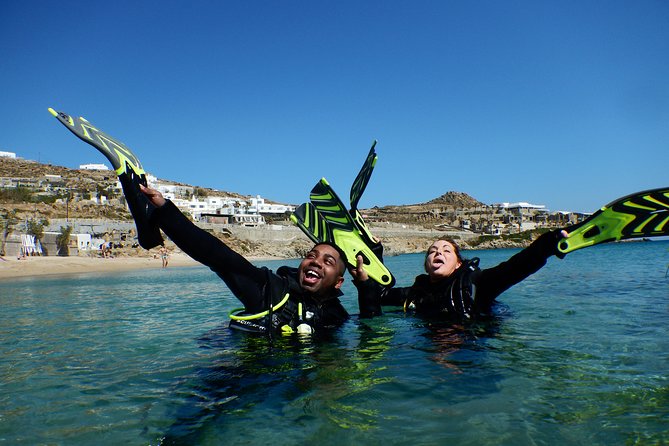
After you successfully complete the initial program, you have the option to join an additional underwater session from a boat. This costs extra.
Two key points:
- It’s only offered after you complete the first part successfully.
- The stated maximum depth for the extra session is 12 meters.
For many people, this is the best way to “level up” without committing to a full certification path right away. You get the basics first, and if you feel good, you can try a bit more.
But don’t treat it as guaranteed. It depends on you finishing the initial steps and on the program’s operating conditions.
Price and Value in Mykonos: Is $238.94 Worth It?
At $238.94 per person, this isn’t a bargain. It sits in the category of paid experiences that buy instruction, equipment, and staff time.
Here’s what you’re paying for that can make it worth it:
- A qualified instructor with a low participant-to-guide ratio
- Equipment use included
- The structured PADI Discover experience, not just a casual swim
- A safety-first process and a planned underwater session on a suitable local reef
- Optional add-on capacity if you want to do more
What you are not paying for:
- Professional photos (available to purchase)
- Food and drinks
- Pickup and drop-off (optional, with a surcharge)
- Port pickup and drop-off (optional, with a surcharge)
My honest value take: this is a good choice if you want a guided, controlled first underwater experience with real coaching. It’s less ideal if your main goal is seeing a lot of reef drama or if you need a long, passive sightseeing-style outing. In a rocky Mediterranean environment, the joy often comes from learning and noticing rather than constant spectacle.
Who This Experience Fits Best (And Who Should Think Twice)
This program is best for people who:
- Want to try scuba but aren’t ready for full certification
- Are comfortable following instructions and practicing skills
- Prefer a smaller-group experience where questions get answered
- Like the idea of a calm, safety-first setup
It may be a poor fit if:
- You want coral-reef scenery and expect it to look like tropical destinations
- You hate the idea of wearing heavy equipment and walking/wading a bit to get to the water
- You have medical conditions that could impact safe scuba participation
There’s also a timing note that matters for you if you’re juggling flights: diving within 48 hours of flying is not recommended.
Finally, plan around the required health questionnaire. Some pre-existing conditions (examples given include asthma and heart conditions) may prevent diving, so it’s smart to check with your doctor if you’re unsure.
When Weather Changes the Plan: Keep Your Schedule Flexible
This experience is subject to favorable weather conditions. If it gets canceled due to poor weather, you’ll be offered an alternative date.
That’s one reason I like having travel slack in Mykonos. Even if the underwater part is the highlight of your trip, you don’t want your entire itinerary built on one tight window.
Should You Book This Discover Scuba Experience?
If you want a beginner-friendly way to learn scuba basics with small groups, clear safety coaching, and an underwater session close to shore, I think you’ll likely enjoy it. The standout theme in the feedback is instruction that stays patient when you’re nervous and guidance that helps you actually manage yourself underwater.
Skip it (or at least adjust expectations) if you’re buying the experience for coral-reef scenery. Here, you’re on a rocky Mediterranean reef, so the charm is more about control, breathing, and local marine life than about neon coral wow-factors.
If your goal is simply to test the waters before committing to certification, this is a sensible step. You’ll come away with a feel for whether scuba is your thing, and you’ll understand the safety system behind it.
FAQ
Is this a scuba certification course?
No. This is a PADI Discover Scuba experience, not a certification course. You’ll learn the steps and skills needed for safe scuba, but you’re not being certified through this program.
How old do you need to be to participate?
You must be at least 10 years old. Children must be accompanied by an adult.
What’s included in the price?
Included are a qualified diving instructor, use of scuba equipment, and the PADI Discover Scuba experience.
Do I need any prior scuba experience?
No prior scuba experience is required, but you should be in reasonable physical health and be able to follow instructions.
How many people will be in the group?
There’s a maximum of four people per booking for each instructor, with larger numbers handled by splitting into groups. The overall activity has a maximum of 12 travelers.
What happens if weather is bad?
If the experience is canceled due to poor weather, you’ll be offered an alternative date. The program also requires favorable conditions to operate.