REVIEW · MYKONOS
Mykonos Cooking Class of Local Specialties
Book on Viator →Operated by Delos Private Tours · Bookable on Viator
Dinner with a chef starts at 4:30. I really love how this class focuses on local Mykonos specialties with a hands-on chef, and I also like that you get written recipes you can actually use later. The one real trade-off is the price can feel high at $238.28 per person if you’re mainly after a quick snack and a show.
You’ll meet at Ornos 846 00, get taken to the kitchen setup, and settle in for about 3 hours of cooking and eating. The best part is that the meal isn’t separate from the lesson—you sample what you make, with local wine meant to go with dinner.
One thing to consider up front: it’s not recommended for vegans, because the menu leans hard on dairy and includes meatballs.
In This Review
- Key things to know before you go
- Mykonos Cooking Class: Local Specialties That Taste Like Home Cooking
- Meeting in Ornos and Getting to the Kitchen Setup
- The Full Menu You’ll Cook (and Eat): From Kopanisti Bread to Rafiolia
- Mostra: Spicy kopanisti on bread with tomato and oregano
- Tsatziki: thick yogurt, drained cucumber, garlic, mint, and lemon
- Kremidopita: an onion and cheese pie with herbs and dill
- Keftedakia Mykonou: pork meatballs with ouzo and mint
- Rafiolia: fried dough with honey, orange, and cinnamon
- Greek salad: the classic add-on that keeps the meal grounded
- How the Class Runs: Instruction Style, Group Size, and Real Personal Attention
- Local Wine and Dinner Timing: Why This Pairing Works
- Recipes in Writing: The Part That Makes the Cost Make Sense
- Price and Value: Is $238.28 Per Person Worth It?
- Who This Cooking Class Fits Best (and Who Might Skip It)
- Should You Book This Mykonos Cooking Class?
- FAQ
- Where is the cooking class meeting point?
- What time does the class start?
- How long is the experience?
- Is the class offered in English?
- Is this a private tour?
- What dishes are included in the menu?
- Is it recommended for vegans?
- What is the cancellation policy?
Key things to know before you go
- Hands-on cooking plus eating your results so the dinner feels earned, not just served
- Local chef instruction with techniques and small tips that help your food taste right
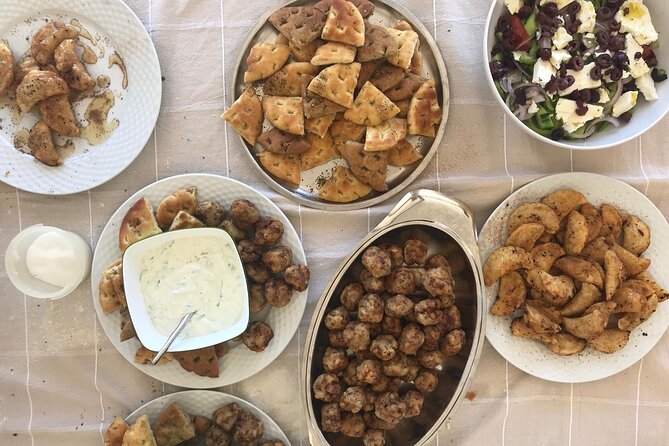
- A full menu ranging from Mostra and tsatziki to onion pie, meatballs, and rafiolia
- Local wine included to match the meal, not as an afterthought
- Private group format so you get attention matched to your skill level
- Take-home recipes in written form so you’re not stuck guessing later
Mykonos Cooking Class: Local Specialties That Taste Like Home Cooking
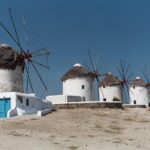
Mykonos gets sold as windmills and white walls. This experience takes you straight toward the part of the island that shows up in kitchens—simple ingredients, strong flavors, and recipes that people make because they’ve always made them.
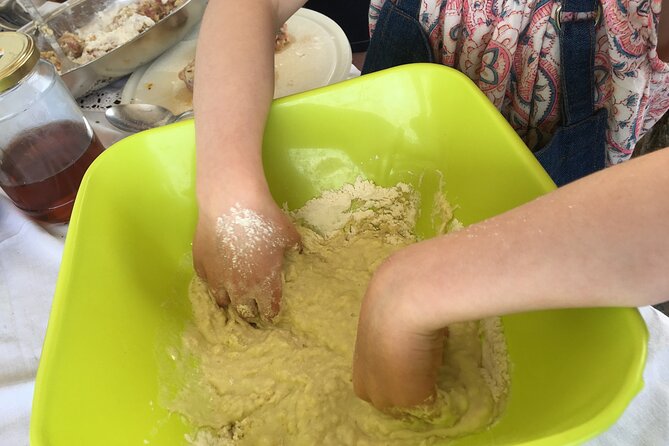
What I like most is the way the class treats cooking as a skill, not a performance. You’re guided through starters, mains, and dessert, then you sit down and eat the feast you created. It’s the kind of lesson that makes you understand why each step matters, like how drained cucumber changes tsatziki’s texture, or how the filling in an onion pie needs the right balance of creamy cheese and herbs.
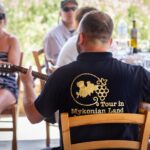
There’s also a human side. Based on how these classes are run, you can expect a real Mykonian chef presence—often with family-style warmth from the host community. In past sessions, people have been hosted by local cheese makers like Jorgi, and taught by chefs such as George or Chef Alex, with family members like Christina pitching in. You don’t need to be an expert. You just need curiosity and a willingness to get your hands a little involved.
You can also read our reviews of more cooking classes in Mykonos

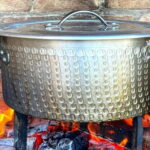
Meeting in Ornos and Getting to the Kitchen Setup
The class begins at 4:30 pm and starts at Ornos 846 00, Greece. You’ll meet at the meeting point and then you’ll be taken to where the cooking happens. The fact that you’re transported from the start point matters more than you might think: it lowers friction when you’re already moving around the island in the late afternoon.
This timing is also smart. A 4:30 pm start means you’re cooking before the dinner rush, and you’re eating while the light is soft. You won’t feel like you’re taking up an entire night for a single activity, either.
And because it’s a private tour/activity, it’s tailored to your group. That’s ideal if your cooking comfort level varies—someone confident can take the lead while others can follow along closely. If you’re coming with teens, couples, or a mixed group, the private format tends to keep everyone engaged.
The Full Menu You’ll Cook (and Eat): From Kopanisti Bread to Rafiolia
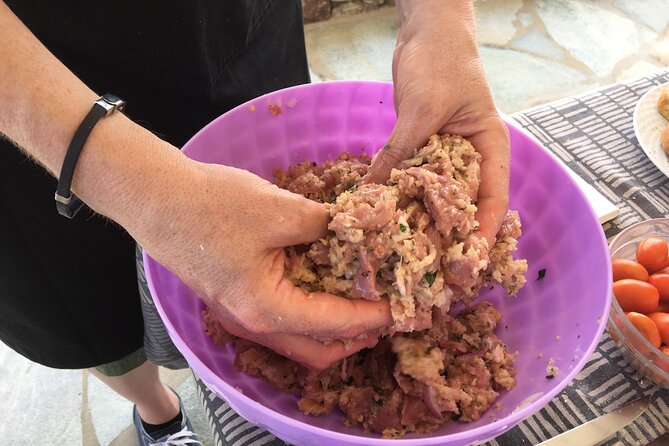
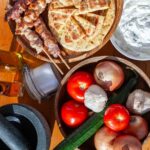
This class builds a meal in stages: starters, main dishes, then dessert. Here’s the menu you can expect to make and sample, with what each dish is really about.
Mostra: Spicy kopanisti on bread with tomato and oregano
Mostra is basically a bread spread flavored with kopanisti cheese, which is spicy and punchy, then topped with tomato, oregano, and extra virgin olive oil. I love dishes like this for cooking classes because the flavors don’t hide behind complicated technique. You learn quickly how Mykonos cheese brings heat and depth, and how olive oil and tomato soften the edge.
It’s also a great first step. It gets you tasting early, so you can start understanding the flavor direction of the meal.
Tsatziki: thick yogurt, drained cucumber, garlic, mint, and lemon
Tsatziki in this class is made with thick yogurt and drained cucumber, plus olive oil, garlic, mint, lemon juice, and salt. The cucumber drainage is key. Too much liquid, and the dip turns runny. Too little, and it can seem heavy. This is exactly the kind of detail that chefs teach when they’re aiming for consistency, not just flavor.
You’ll also see how lemon and mint brighten the dairy, which is why tsatziki works so well alongside richer mains like onion pie and meatballs.
You can also read our reviews of more tours and experiences in Mykonos
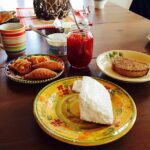

Kremidopita: an onion and cheese pie with herbs and dill
Kremidopita is an onion and cheese pie. The tanginess of onions is balanced with creamy local cheese (tirovolia), then seasoned with dill and various herbs.
In a class like this, onion pie is where you learn the real-world meaning of balance. You’re not just assembling ingredients—you’re combining sweet-savory onion with creamy cheese and aromatics so the final bite tastes round, not sharp. The herbs matter too. Dill can take the flavor from flat to unmistakably Greek.
Keftedakia Mykonou: pork meatballs with ouzo and mint
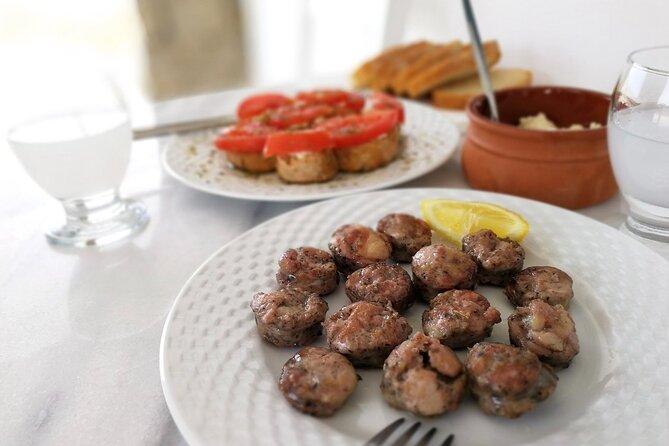
Keftedakia Mykonou are meatballs, and in the standard menu they’re made with pork. The meat is hand minced, then mixed with grated onions, bread, eggs, oregano, mint, olive oil, and ouzo. You can also request beef instead.
This is one of the most practical skills a cooking class can give: meatball texture. Hand-minced meat and the right mix of binder ingredients (like bread and egg) help the balls stay tender instead of becoming dense. The ouzo adds an herbal, slightly warming note that plays well with oregano and mint.
If you prefer beef, ask in advance. The class information specifically notes the pork-to-beef swap on request.
Rafiolia: fried dough with honey, orange, and cinnamon
For dessert you get rafiolia, which are fried dough sweets that may include tirovolia cheese. They’re sprinkled with honey, orange, and cinnamon.
Fried dough desserts sound indulgent for a reason. In this case, the interesting part is the flavor mix: honey sweetness meets aromatic orange, while cinnamon adds warmth. And if the version includes cheese, you’ll experience the surprising savory edge that Greek cooks sometimes build into sweets. It’s not for everyone, but it’s definitely memorable.
Greek salad: the classic add-on that keeps the meal grounded
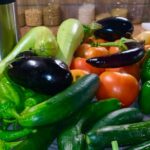
You’ll also make a Greek salad with tomatoes, cucumbers, onions, green bell peppers, feta cheese, oregano, and olive oil. This isn’t just filler. It cools the palate after richer dishes and gives you fresh crunch right on the plate.
It’s also a useful “anchor” for what you’re tasting. When you can compare a creamy onion pie bite to a bright salad bite, you understand the balancing job that a good meal does.
How the Class Runs: Instruction Style, Group Size, and Real Personal Attention
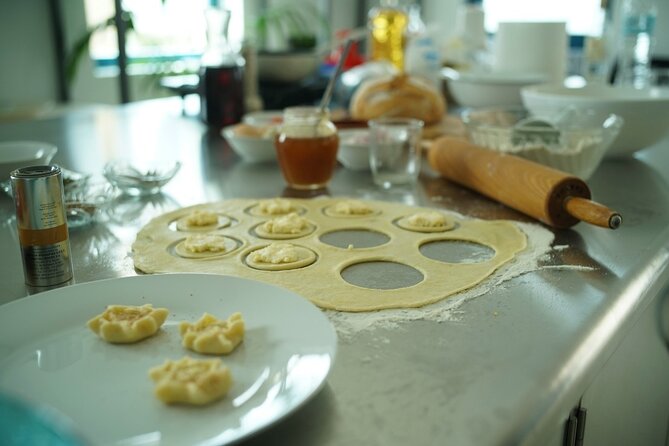
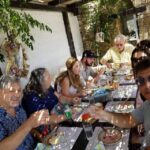
The experience follows a clear flow. You’ll be met, taken to the class location, then you’ll cook under direction from a renowned Mykonian chef. You’ll prepare multiple dishes, then eat the starters, mains, and dessert together. Local wine accompanies the feast.
Because it’s private, you’re not stuck watching for long stretches with no chance to try. The class is described as a private lesson that matches your skill level. That’s a big deal if you’re nervous about cooking. It’s also a win if you’re comfortable and want to learn technique quickly rather than slow down the group.
One other practical note: classes like this often mix hands-on cooking with some demo. That can be a benefit. You get the chef’s method in real time, then you repeat it with guidance. If you want maximum hands-on time, it’s reasonable to ask your chef what role you’ll have for each step once you arrive.
Local Wine and Dinner Timing: Why This Pairing Works
Wine is included, and it fits the idea that this is a full dinner, not a snack lesson. The dishes you’re making skew flavorful and slightly heavy—onion pie, meatballs, and fried dessert. Wine helps keep the meal feeling cohesive rather than just filling.
Timing also matters. With a 4:30 pm start and an ending back near the meeting point, you’re not going to feel rushed between cooking and eating. You’ll cook, you’ll sit down, and then you’ll have enough time to finish what you made.
Recipes in Writing: The Part That Makes the Cost Make Sense
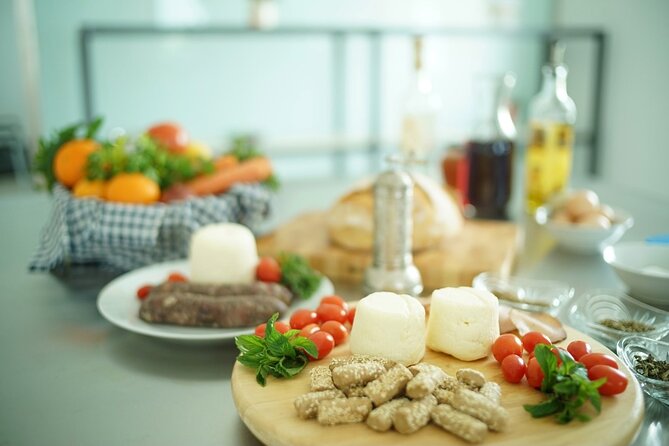
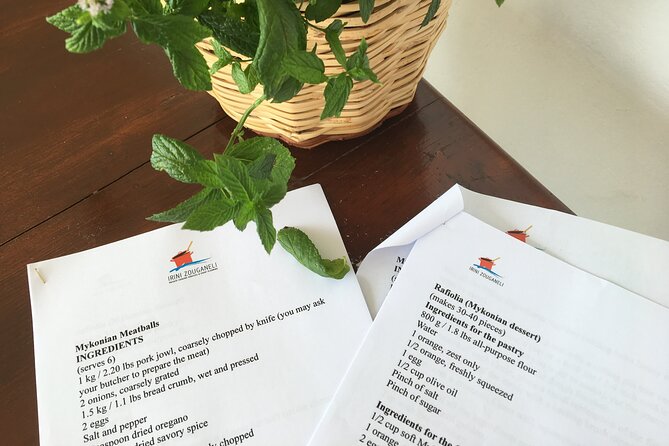
At the end, you’ll be given the recipes in written form so you can make the dishes at home. For me, that’s one of the biggest value points.
Food lessons fail when you only leave with a memory. Written recipes let you repeat the flavors you learned—especially the dishes where small choices matter, like tsatziki’s texture and how onion pie is built around herb seasoning.
And because the menu includes multiple courses, the recipe packet becomes a mini Mykonos meal plan. You can build a dinner around it: starters first, then the onion pie and meatballs, then dessert. Even if you never cook everything again, you’ll still take home enough to recreate at least one signature dish with confidence.
Price and Value: Is $238.28 Per Person Worth It?
Let’s talk straight about the number: $238.28 per person isn’t cheap. If you’re shopping on a budget, this will likely feel expensive.
Here’s what can justify the price. You’re getting:
- a private experience for your group
- hands-on instruction from a chef
- a full starters, mains, and dessert menu
- local wine with your meal
- written recipes at the end
That combination is where the value sits. Many cooking classes only teach one dish or leave out the full dinner. Here, you’re learning a complete plate, then eating it, which turns the session into a true food event.
Still, if you just want one dish or you prefer browsing rather than cooking, you might feel the cost more than the benefit. One sensible approach: only book if you’re excited about the menu and you know you’ll use the recipes later.
Also check dietary fit. The experience is not recommended for vegans, so if your group includes strict vegan eaters, you’ll likely need a different plan.
Who This Cooking Class Fits Best (and Who Might Skip It)
This class is a great match if you want:
- authentic Mykonos comfort-food flavors (cheese, herbs, and olive oil)
- a hands-on lesson with guidance
- a full dinner that you help create
- take-home recipes you’ll actually cook from
It also seems like a good option for families and mixed-age groups because it’s private and the chef can adapt attention to your skill level.
You might skip it if:
- you’re vegan or need fully vegan options
- you’re not interested in cooking and just want casual sightseeing food
- you’re sensitive to price and don’t think you’ll use the recipe sheet later
Should You Book This Mykonos Cooking Class?
I’d book it if you want a real Mykonos dinner that teaches you the “why,” not just the “what.” The hands-on chef-led instruction, the full menu (especially the onion pie and meatballs), the included local wine, and the written recipes are the strongest reasons.
If you’re on the fence because of cost, ask yourself one question: will you use at least one of these dishes at home soon? If the answer is yes, the price starts looking more reasonable. If the answer is no, you may be happier with a less structured food experience.
FAQ
Where is the cooking class meeting point?
The class meeting point is Ornos 846 00, Greece, and the activity ends back at the meeting point.
What time does the class start?
The start time is 4:30 pm.
How long is the experience?
The class lasts about 3 hours (approx.).
Is the class offered in English?
Yes, it is offered in English.
Is this a private tour?
Yes. It’s a private tour/activity, and only your group participates.
What dishes are included in the menu?
The menu includes Mostra, Tsatziki, Kremidopita, Keftedakia Mykonou (pork, with beef possible on request), Greek salad, and Rafiolia.
Is it recommended for vegans?
No. It is not recommended for vegans.
What is the cancellation policy?
You can cancel for a full refund up to 24 hours in advance of the experience start time. If you cancel less than 24 hours before, the amount paid is not refunded.