REVIEW · MYKONOS
Mykonos: Group Cooking Class at the Home of a Local Family
Book on GetYourGuide →Operated by Kafedena's Village · Bookable on GetYourGuide
A family home beats any restaurant tour. This Mykonos cooking class at Kafedena’s Village puts you in a local garden setting with real conversation, not just a script, plus Greek coffee and a sweet welcome before the work starts. I love how the hosts (like Yannis and Nicola, plus Joanna, Dora, and Anna in many groups) treat the class like you’re visiting their people.
The best part for me is the payoff: hands-on cooking plus a meal that keeps coming, with local wines and beer flowing alongside traditional Mykonian dishes and recipes you can take home. One thing to plan for: getting there can be tricky, and the activity doesn’t include transportation—so you’ll want a taxi/drive and a little patience finding the outdoor kitchen.
In This Review
- Kafedena’s Village: A Mykonos Cooking Class in a Real Family Setting
- The Warm Start: Greek Coffee, Dessert, and Meet-Your-Host Energy
- Drinks and Pairings: Greek Wine, Beer, and Liquor With Your Meal
- Cooking the Classics: Hands-On Mykonian Steps (Salad, Mushrooms, Meatballs)
- Lunch That Keeps Coming: Plentiful Portions, Dessert, and Recipe Take-Home
- The Family Chapel Stop: Visiting the Church and Why It Adds Meaning
- Dancing in the Middle of Dinner: Zorba and the Fun Cultural Button
- Group Vibe for Solos: Meeting People Without the Forced Small-Talk
- Price and Value: What $117 Buys on a Food-Drinks-Full-Day Island
- Getting There and Timing: The Logistics That Matter More Than You Think
- Who Should Book This (and Who Might Skip It)
- Should You Book Kafedena’s Village Mykonos Cooking Class?
- FAQ
- How long is the Mykonos cooking class?
- What’s included in the price?
- Does transportation to the venue come with the experience?
- Is live music included?
- What languages are used during the class?
- Is the experience wheelchair accessible?
- FAQ
- What’s the cancellation window?
- Can I reserve and pay later?
- Is the dance part of the experience?
- Are dietary needs supported?
- What time of day does it run?
- What’s the meeting area like?
Kafedena’s Village: A Mykonos Cooking Class in a Real Family Setting
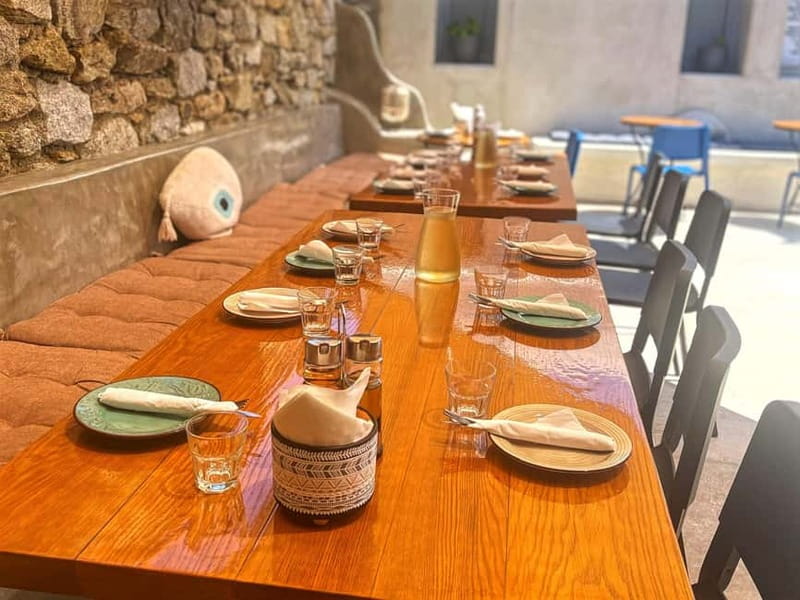
This isn’t a culinary show kitchen. You’re hosted at Kafedena’s Village, a family home setup with an outdoor kitchen and plenty of charm around you. The feel is casual and warm—more like sharing food with locals than following instructions from a distant instructor.
What makes it work on Mykonos is the contrast. The island is famous for tourist beaches and loud nightlife, but this experience drags you back into everyday Greek family life. You’ll also pick up context as you go, with the hosts talking about Mykonian food and the family property itself.
One practical note before you fall in love with the idea: it can be hard to find. People describe the place as beautiful but not obvious, with limited signage. The fix is simple: use a taxi or drive, and be ready to message the team for help if you end up a few streets off.
The Warm Start: Greek Coffee, Dessert, and Meet-Your-Host Energy
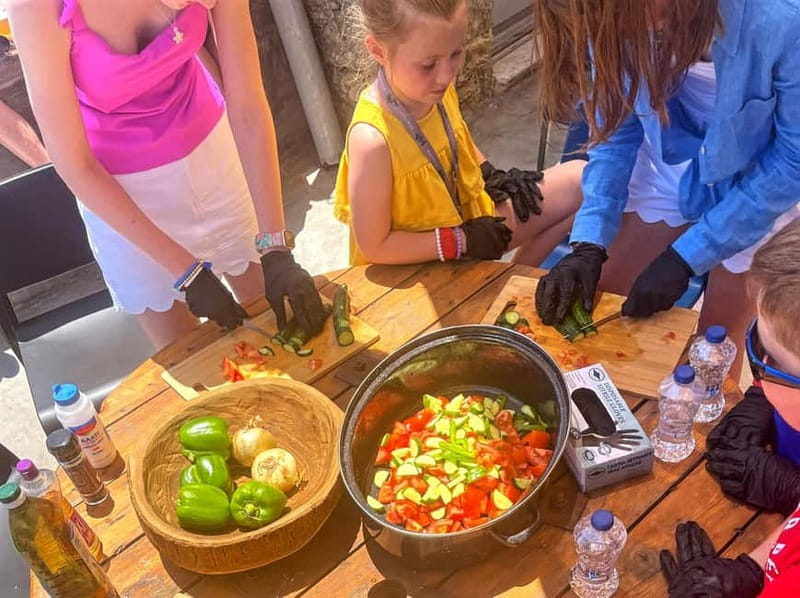
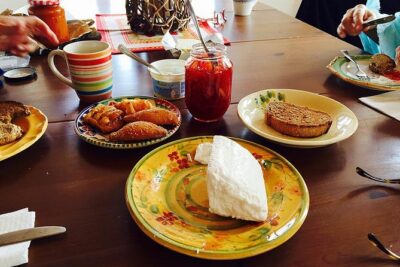
You begin with a welcome that’s very Greek in spirit: coffee first, not after. Expect Greek coffee served right at the start, along with dessert. It sets the tone fast—no rushing, no awkward waiting, just a friendly handoff into the lesson.
Then comes the social part. You’ll talk food, island habits, and how Mykonos-style cooking connects to family tradition. Names you may hear from the group or guides include Yannis, Nicola, Joanna, Dora, Anna, and others depending on the day, and a chef who leads the cooking steps (Chef George appears in some groups).
This opening matters because it frames the rest of the class. Once you understand what the hosts value—fresh ingredients, simple steps, and family technique—the cooking feels less like a workshop and more like learning a living craft.
You can also read our reviews of more cooking classes in Mykonos

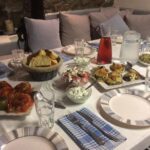

Drinks and Pairings: Greek Wine, Beer, and Liquor With Your Meal
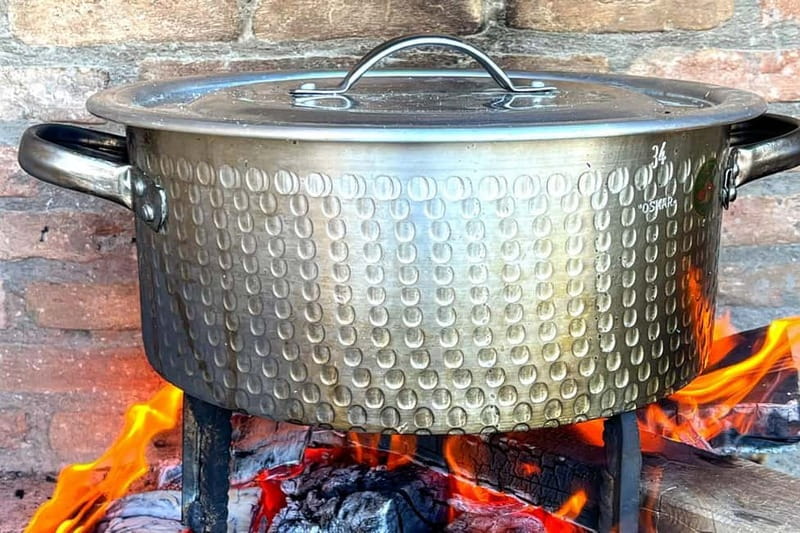
Food classes can get dry. This one doesn’t. You’ll sip local options as part of the experience—local wines, local beer, and Greek liquor are included.
Here’s the real value: the drinks aren’t just for show. The hosts explain what goes with what, tying beverages to the flavors you’re making and eating. That turns the meal into a mini lesson in taste, not a free-for-all.
And yes, the food keeps pace with the drinks. Multiple people note that portions are large and the supply of food and alcohol feels generous. If you want room to enjoy everything (and not just survive it), plan a light breakfast or skip it.
Cooking the Classics: Hands-On Mykonian Steps (Salad, Mushrooms, Meatballs)
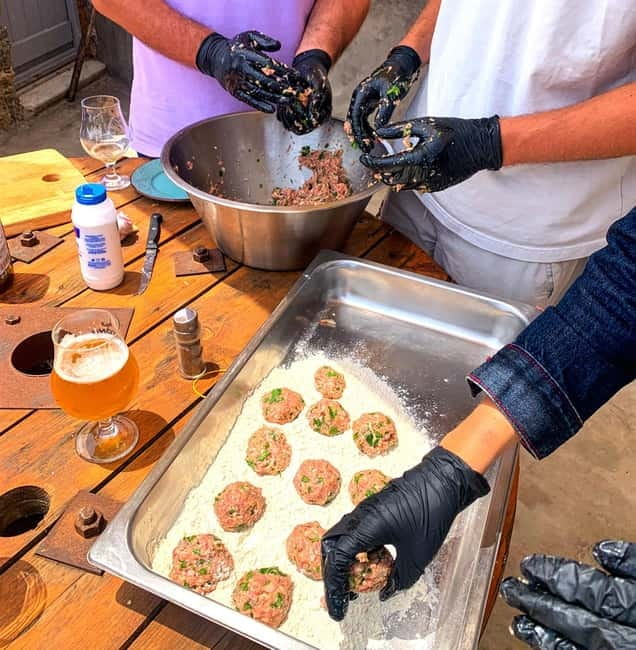
The main event is hands-on cooking guided by the chef and hosts. You’ll work through traditional Mykonian dishes step by step, with enough support that you’re not just watching and hoping.
From what’s been shared about the dishes, you should expect to get involved with things like Greek salad and mushroom dishes, plus meatballs—often described as rolling mini meatballs together as a group. Even when the exact menu shifts by day, the pattern is consistent: you do the prep, you learn the reasoning behind the flavor choices, then you sit down to eat your work.
The best aspect here is how interactive it feels. People repeatedly mention lots of chatting while cooking, not just a timeline. That’s where the Mykonian food stories show up—what ingredients mean locally, how families cook certain staples, and why the techniques feel the same across generations.
Vegetarian adjustments can happen. One guest notes the class adapted for vegetarian eaters, and another mentions help for lactose intolerance. Don’t assume it’s guaranteed every day, but it’s a strong sign you should ask ahead if you have dietary needs.
Lunch That Keeps Coming: Plentiful Portions, Dessert, and Recipe Take-Home
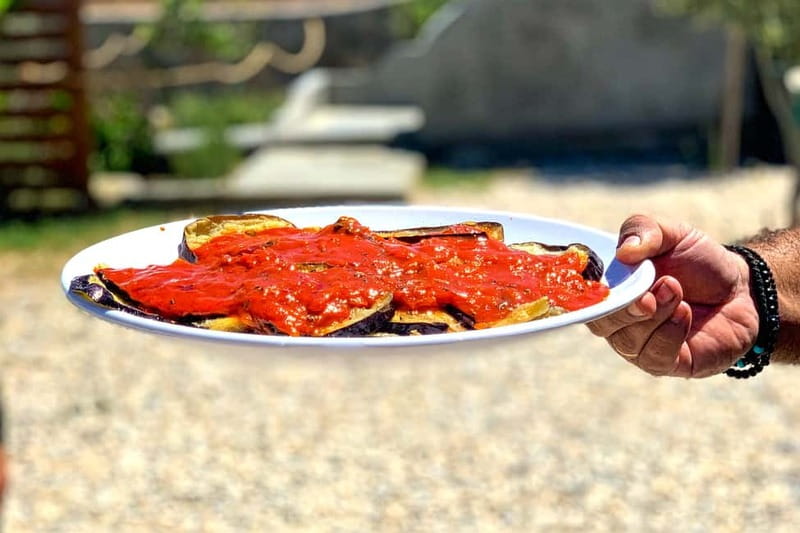
Lunch is not a small tasting. This is a full meal, and the class rhythm builds toward it: cook, eat, drink, and keep going. Many guests emphasize how plentiful the food is, to the point where they couldn’t finish everything.
What you get for the included meal is a mix of what you prepared plus desserts to close. Dessert is included, and multiple people describe the end as sweet and satisfying after the cooking and dancing.
The other major value point: secret Mykonian recipes are included. That’s not just a nice souvenir. It matters because it helps you reproduce the flavors at home—using the same approach the family teaches in the class.
The Family Chapel Stop: Visiting the Church and Why It Adds Meaning
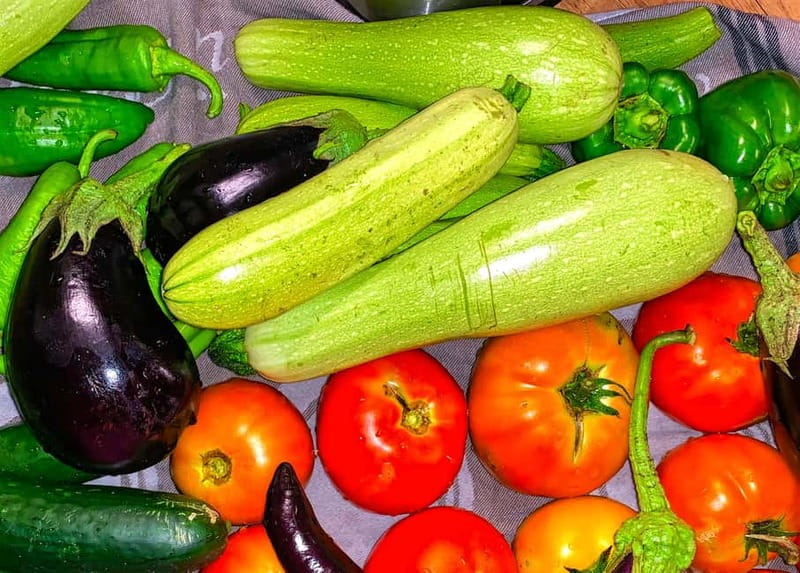
In several accounts, part of the experience includes a visit to the family’s church or chapel. You’ll hear about the property, the family story, and how community and faith sit alongside food and daily life.
This matters more than it sounds. It turns the cooking class into cultural context rather than only a menu lesson. When you see the setting—courtyard, church, and home atmosphere—the recipes feel less like internet instructions and more like something rooted in place.
Even if you’re not the type who loves guided history stops, this one tends to land well because it’s short, personal, and connected to why the hosts cook the way they do.
You can also read our reviews of more tours and experiences in Mykonos




Dancing in the Middle of Dinner: Zorba and the Fun Cultural Button
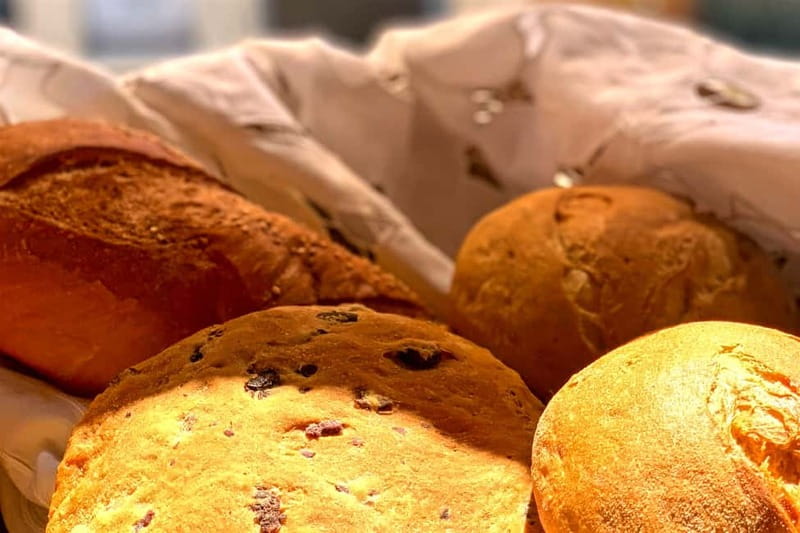
Yes, there’s dancing. Guests mention learning traditional dances like Zorba, and sometimes another dance tied to sweethearts (Balos appears in one account). This is not a performative thing where you watch others move.
It’s usually taught in a friendly way after you’ve eaten, when your energy is high and your legs are already warmed up by the whole meal. People describe it as playful and memorable, and it adds a real cultural layer beyond cooking alone.
If you’re worried about feeling silly: don’t. You’re in a group, you’re guided, and the vibe is welcoming. You might not become the next professional dancer, but you’ll almost certainly leave with a story.
Group Vibe for Solos: Meeting People Without the Forced Small-Talk
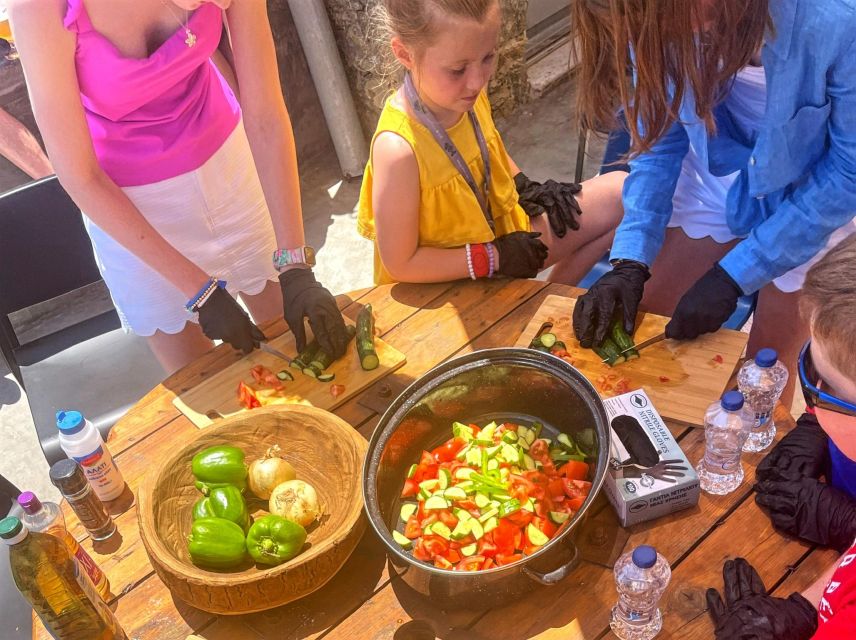
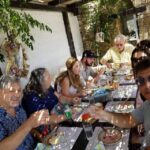
Even though it’s a group experience, it doesn’t feel like a random tour bus event. People highlight that it’s social in a good way—strangers cooking together, eating together, laughing together.
For solo travelers, that’s a big deal on Mykonos. The island can feel like a mix of parties and separate beach circles. This class gives you built-in conversation and shared work, so you’re not hunting for people to talk to.
One practical perk: the hosts and chef bring the energy. Names that show up repeatedly across different days include Yiannis, Johanna/Joanna, Dora, Anna, Rita, and Nikolas/Nicolas, plus Chef George in some groups. The specific roster varies, but the warmth is consistent.
Price and Value: What $117 Buys on a Food-Drinks-Full-Day Island
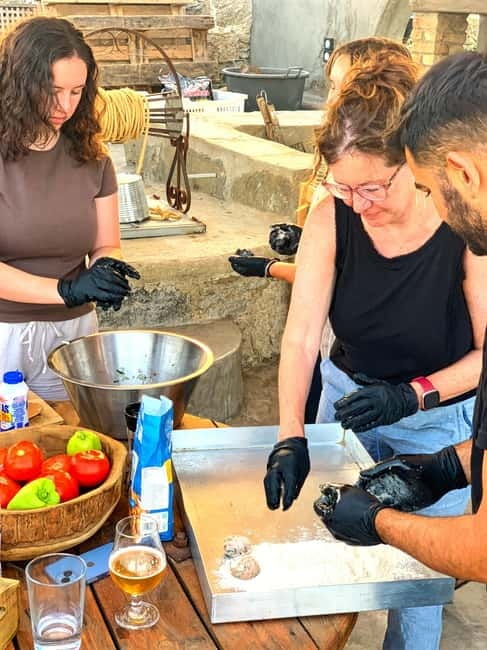
At $117 per person for a 3-hour experience, this isn’t a bargain like a quick museum stop. It’s priced like a proper activity. The question is whether it delivers more than a snack-and-sip.
Here’s the value logic:
- You get Greek coffee, dessert, and a full lunch.
- You get multiple drinks: local wine, local beer, and Greek liquor.
- You get guided cooking with a chef and hosts, plus a waiter.
- You get the secret recipe handout so you can cook at home.
On Mykonos, that combination matters. Eating out can add up fast, and drinks are rarely cheap. Here, they’re bundled into one set experience—so you’re paying for the meal and the lesson at the same time.
If you’re the type who loves food, this ends up feeling like a steal. If you’re a light eater and don’t drink, you may want to compare it to a lighter meal plan. Still, the class is hands-on and the recipe part gives it extra weight.
Getting There and Timing: The Logistics That Matter More Than You Think

Transportation isn’t included, and that affects your plan. Kafedena’s Village is in a village area, and people note it can be difficult to find on foot from town. One person mentions a hike-like walk and no buses going that way.
So do this:
- Use a taxi or drive for an easy arrival.
- If you’re close but not sure, contact the hosts so they can guide you in.
Also keep an eye on the start time. The class runs about 3 hours, so treat it like a real appointment, not an optional wander.
One more important point: the experience isn’t suitable for wheelchair users. If mobility is an issue, this is worth confirming before you book.
Who Should Book This (and Who Might Skip It)
Book it if you want a Mykonos experience that feels personal, not staged. It’s perfect for people who like hands-on cooking, enjoy Greek wine and beer, and want more than a restaurant meal.
You’ll especially like it if:
- You want a cultural evening-with-food, including conversation and dancing.
- You’re traveling solo and want easy social connection.
- You care about taking home recipes, not just photos.
You might skip it if:
- You need wheelchair-friendly access.
- You hate the idea of a large meal with a lot of food and drink.
- You’re counting every euro and prefer lighter, cheaper activities.
Should You Book Kafedena’s Village Mykonos Cooking Class?
If you love Greek food and you want your Mykonos day to include more than beach time, I’d book this. It’s one of those experiences where the setting, the people, and the meal all work together. You’ll leave full, you’ll know what you made, and you’ll have recipes to recreate the flavors later.
My only real advice is logistical: plan your ride and come hungry in the best way. Skip the heavy breakfast. Bring comfy shoes for the outdoor cooking space. And don’t overthink it—this class runs on warmth, not perfection.
FAQ
How long is the Mykonos cooking class?
The class lasts 3 hours.
What’s included in the price?
It includes Greek coffee, local wines, local beers, Greek liquor, lunch, secret Mykonian recipes, a chef guide, a waiter, and dessert.
Does transportation to the venue come with the experience?
No. Transportation is not included.
Is live music included?
No. Live music is listed as not included.
What languages are used during the class?
The host or greeter speaks Greek and English.
Is the experience wheelchair accessible?
No. It’s not suitable for wheelchair users.
FAQ
What’s the cancellation window?
You can cancel up to 24 hours in advance for a full refund.
Can I reserve and pay later?
Yes. You can reserve now and pay later.
Is the dance part of the experience?
Many groups include a Greek dance lesson as part of the experience.
Are dietary needs supported?
Some groups have been adapted for vegetarian and lactose intolerance, so it’s worth asking in advance about your needs.
What time of day does it run?
The duration is 3 hours, and you’ll need to check availability for the starting times.
What’s the meeting area like?
It’s located in a village setting at Kafedena’s Village, and getting there can be easier by taxi or drive since it can be hard to reach from town by foot or bus.